Kehindé Fagbulẹ

Writer

Coming Out From The Shadows - The LGBTQ Story

If there is anything that is bound to outlive every one of us, it is the concept of unaccepted groups either by skin colour, creed, religion, class, sexual identity or orientation. We see it in the way Africans —and anyone who dares to come to this world with a black pigmentation—were, and are still treated in places where they are the minority. Christians in Muslim countries, Muslims in America after the 9/11 attacks, and so on. And even though the entire world is pushing for more inclusiveness and empathy-driven interactions among humans, the chances that people are welcoming of the “other” group is looking as bleak as can be. However, that hasn’t stopped people from choosing to do life as is demanded to be a full one.

Afrobeats to the World - The Afrobeats Story

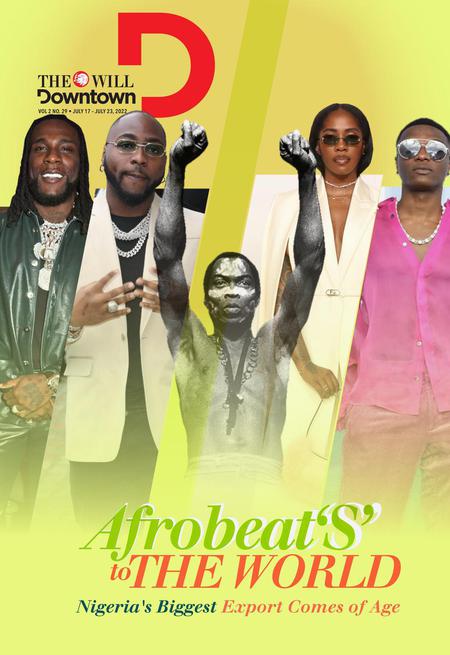
Wizkid, Davido and Burna Boy are three of the biggest names in entertainment, not only in Nigeria but also across the globe. When conversations on African music are had, it is almost impossible that these names don’t take centre stage. Lately, of all the genres in the world, Afrobeats, since its emergence, has become one of the most popular. A force to reckon with. But the journey has been a long one, something like a rollercoaster. To trace our steps back to the very beginning is to discuss the origin of music here in Nigeria. Before the acceptance of the “three musketeers,” Wizkid, Davido and Burna Boy in Europe and America, a young man, Fela Kuti, (and his longtime partner, drummer, Tony Allen who is famous for creating the double beat you hear in Fela’s records), was responsible for creating and exporting the sound as far back as the 1970s—albeit a fusion of several western sounds—both within and outside Nigeria. He named it Afrobeat; without an “s.”

Breaking The Bias: A Conscientious Attempt At Gender Equality

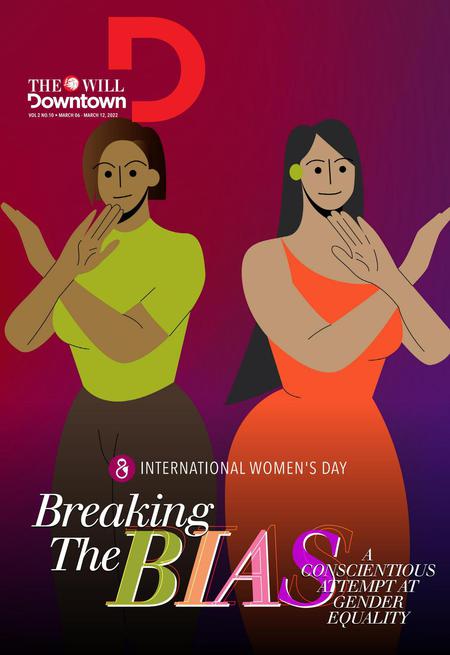
Interactions between humans are influenced by so many factors. Oftentimes when we meet people, we analyse their bio-data in our subconscious. Are they men or women like us? Are we from the same place? Have they lived a similar experience to us? What could they possibly be capable of? The information that we proceed to analyse in the split seconds that we interact with one another, although simply not sufficient to form a conclusion on who they are, becomes influenced by the nuances that form a lazy, undercooked and biased judgement.

The Masculinity Edition with Charly Boy, Legendary Media Personality

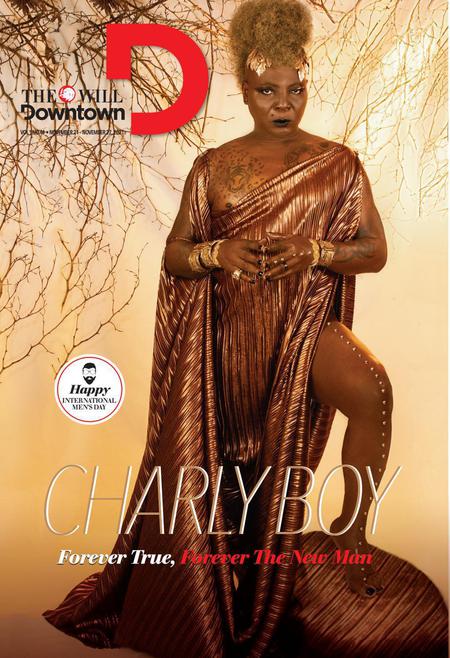
Since psychology became a tool for assessing the human experience, masculinity has been the subject of an unending debate. From woman, humans have spent centuries trying to enunciate the perceived differences between both genders. This has since led to a set of conventionally accepted rules – some unspoken, others screeched – which have been passed down from generations and have shaped our beliefs today on how each gender ought to be practised. The roles we should play in society, our response to trauma, our choice of clothing, down to the aspirations we are allowed to nurse – for so long, every aspect of our lives has been preset to follow these rules solely based on the genitals we possess. But that is slightly different now, thanks to a man who in the late ‘70s decided to lean towards the other gender, breaking societal norms with every public appearance he makes.

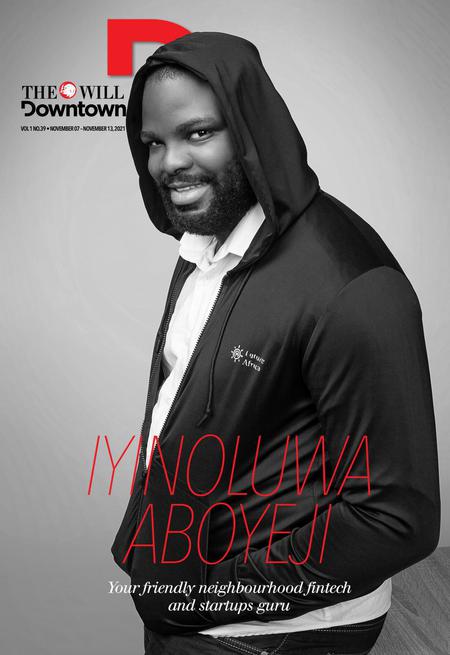
Tech with Venture Capitalist, Iyinoluwa Aboyeji

You have probably interacted with technology before picking up this edition. There’s no debating how much easier it has made our lives. Once upon a time, it was impossible to cross legs, seated on your sofa as you shop for groceries and have it delivered to you pronto, or hail a taxi and it arrived exactly where you were within minutes to take you on your trips; all of these happening without you having to join long queues at the ATM just to withdraw cash and settle your bills. This was a problem Flutterwave, through Iyinoluwa Aboyeji’s guidance, solved. It was a defining moment for digital financial transactions in the country.

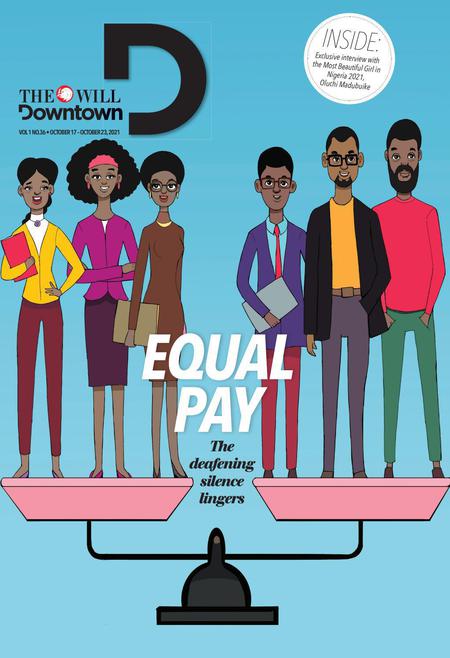
Equal Pay: The deafening silence lingers

Humans have had several problems since the first person was created. As time passed, we have fixed one issue or the other; this defines the human experience. One subject matter however looks unsolvable: equality. For religious people, the disparity can be traced back to the beginning of creation. One doesn’t have to look too critically to see that we have never been equal, hence we would have solved the majority of our problems. Topics such as racism and gender-based violence, for instance, wouldn’t afflict us today if we see the next person as equal to us, with the right to enjoy the same basic opportunities as we do. As we strive to achieve a middle ground in all of our negotiations for parity, one dilemma remains unresolved, and it happens at the workplace where we essentially make our livelihood.

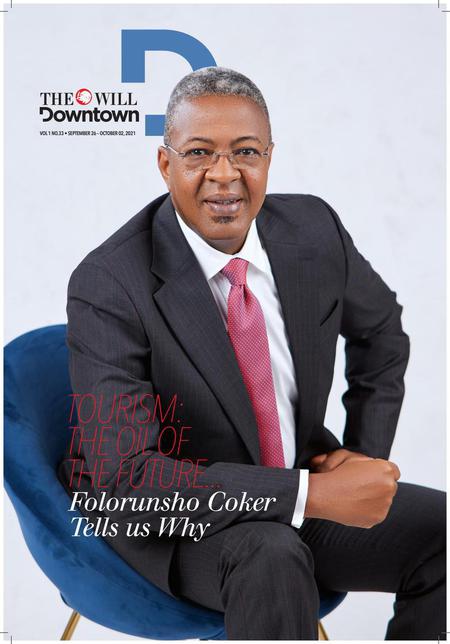
Tourism with Foli Coker, Director General of Nigerian Tourism Development Corporation

Tourism, the practice of travelling for recreation and sometimes business, is a phenomenon most countries pay utmost importance to. A subject matter so broad, it cuts across entertainment and hospitality, one would think a country so blessed geographically like ours should be leading conversations on tourism, seeing how incredibly rich we are in arts and culture. This was not the case.

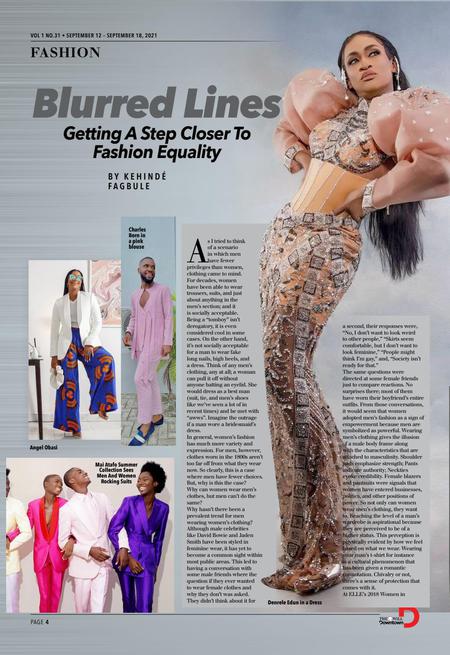
Getting A Step Closer To Fashion Equality

As I tried to think of a scenario in which men have fewer privileges than women, clothing came to mind. For decades, women have been able to wear trousers, suits, and just about anything in the men’s section; and it is socially acceptable. Being a “tomboy” isn’t derogatory, it is even considered cool in some cases. On the other hand, it’s not socially acceptable for a man to wear fake long nails, high heels, and a dress. Think of any men’s clothing, any at all; a woman can pull it off without anyone batting an eyelid. She would dress as a best man (suit, tie, and men’s shoes like we’ve seen a lot of in recent times) and be met with “awws”. Imagine the outrage if a man wore a bridesmaid’s dress.
In general, women’s fashion has much more variety and expression. For men, however, clothes worn in the 1800s aren’t too far off from what they wear now. So clearly, this is a case where men have fewer choices.
But, why is this the case? Why can women wear men’s clothes, but men can’t do the same?
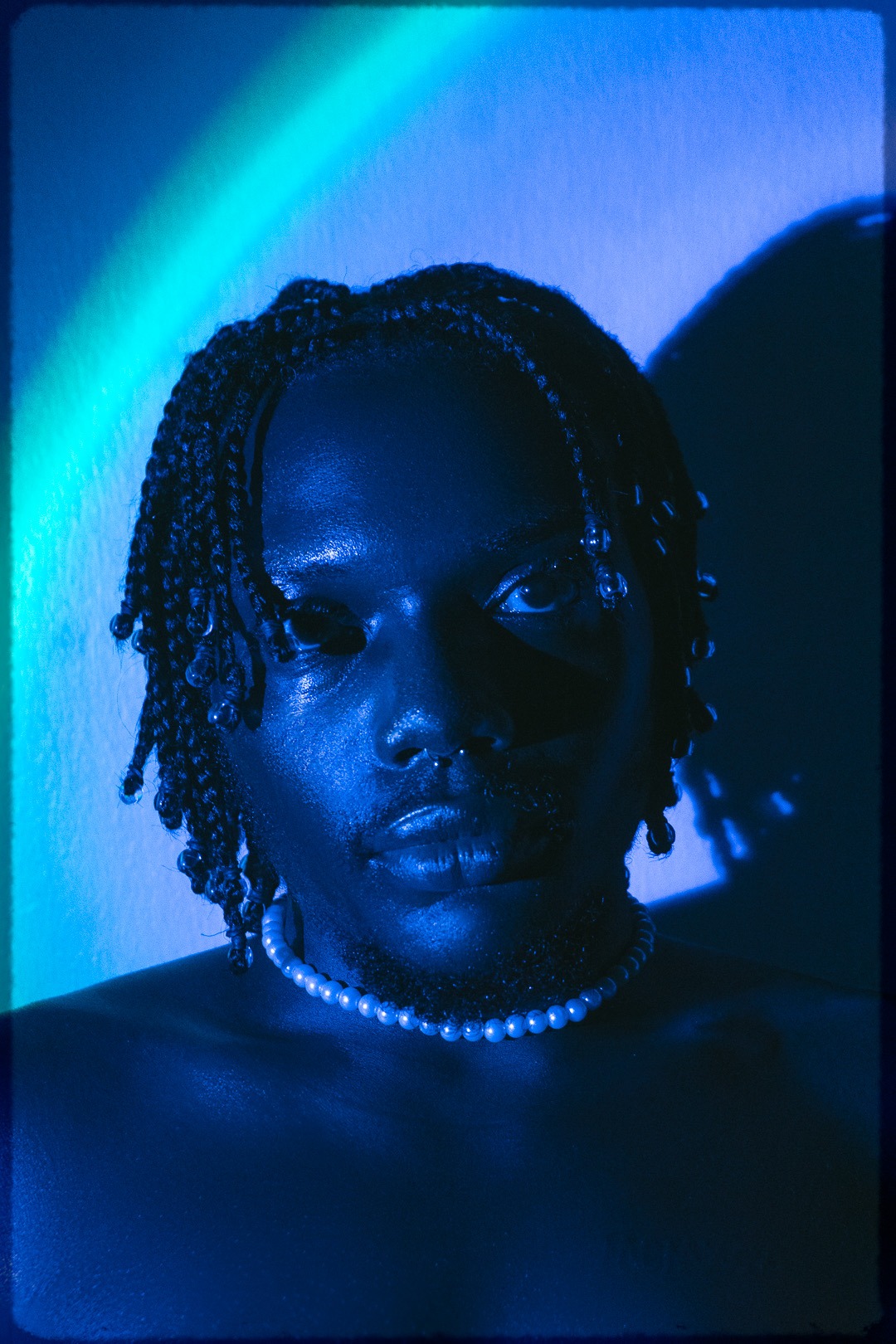
In Conversation with British-Nigerian Actress, Weruche Opia

From scouring the internet for a date to please her family in the Nollywood movie "When Love Happens" to being the best friend of the vear in the globally acclaimed British miniseries, "I May Destroy You," Weruche Opia's roles have been as profound in many ways as they have been relatable to the average black woman. Her unique mix of charm, eloquence, wit and faith shines through even via the Zoom call by which this interview is conducted. She embodies a kind of old-world gracefulness that she no doubt inherits from her mother- Ruth Benamaisia Opia, one of Nigeria's foremost veteran broadcast journalists. Opia's 10-year. old career has been blessed with good work any thespian would be proud of and she talks candidly about it with DOWNTOWN's Kehindé Fagbule alongside other issues affecting women in the movie industry both within Nigeria and at large.

Let's talk!

My inbox is always open, you can reach me here, let's make magic.